Field support

Fendt service windows that match the crop calendar

Fendt field support is built for farms that schedule commissioning, seasonal inspections and parts response against planting and harvest gates. Share the machine hours, PTO implements and nearest workshop utility capacity so we can set a realistic window. Support covers tractor fleets and attached implements; it does not replace irrigation engineering or greenhouse commissioning crews.

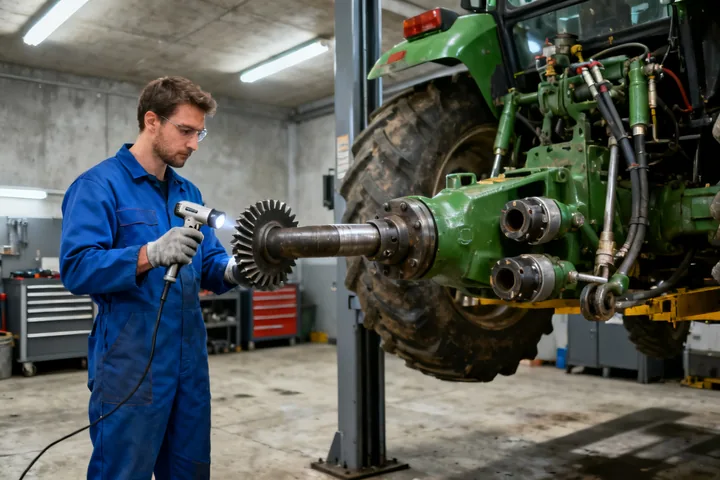
Technician inspecting a tractor PTO shaft in a farm workshop

Two support tracks, one RFQ handoff

Choose the package that matches fleet size. Both keep documentation lean: machine list, hours, remotes and delivery constraints.

Commissioning & first-season setup

Ballast, tire pressure, guidance line import and hydraulic map checks before the first 200 hours. Includes a short PTO horsepower verification against the planned rotary tiller, baler or forage harvester.

  • On-farm walkthrough within the agreed delivery week
  • Remote valve labeling for planter and loader circuits
  • Operator checklist for grain moisture related transport days

Seasonal inspection & parts window

Pre-plant and pre-harvest inspections with a parts kit list for filters, belts and wear items. Response targets stay explicit so procurement can plan stock without guessing.

  • 14-day standard parts response for stocked SKUs
  • Boom sprayer nozzle and rate-control checks on request
  • Dealer coordination notes for track tractor undercarriage

Service FAQ for equipment evaluators

We collect continuous PTO demand for the heaviest implement in the train—often a rotary tiller, forage harvester head or large baler—then compare it to the tractor continuous rating with a reserve for wet soil. Spec sheets alone are not enough when grain moisture pushes transport hours late.

Crop, acreage, machine model or class, current hours, nearest dealer distance, workshop voltage, and the week you need the unit ready. Fendt does not need marketing copy—just the constraints that change labor and parts staging.

Yes. Spray drift control checks, boom leveling and tank capacity notes can ride alongside tractor commissioning when the same farm owns both platforms. We keep the work orders separate so ISO 9001 style traceability stays clear.

Before and after a structured support plan

Before

Quotes arrive with missing hydraulic maps. Parts are ordered after a breakdown during planting. Operators learn remotes in the field while a seeder waits on the headland.

After

RFQ fields capture remotes, PTO band and delivery week. Commissioning finishes before the first wet-soil window. Stocked filters and belts land in the 14-day parts lane instead of emergency freight.

Book a field support review

Send the machine list and the week you need readiness. We reply with a commissioning or inspection window—not a generic brochure pack.